
- Foundation, Site Work & Drainage
- Post & Beam Out Buildings
- Septic & Underground Utilities
- Land Clearing & Stump Removal
- Gravel Driveways
- Underground Tanks
- Off-Road Trails
- BMX/Mountain Bike Pump Track Design
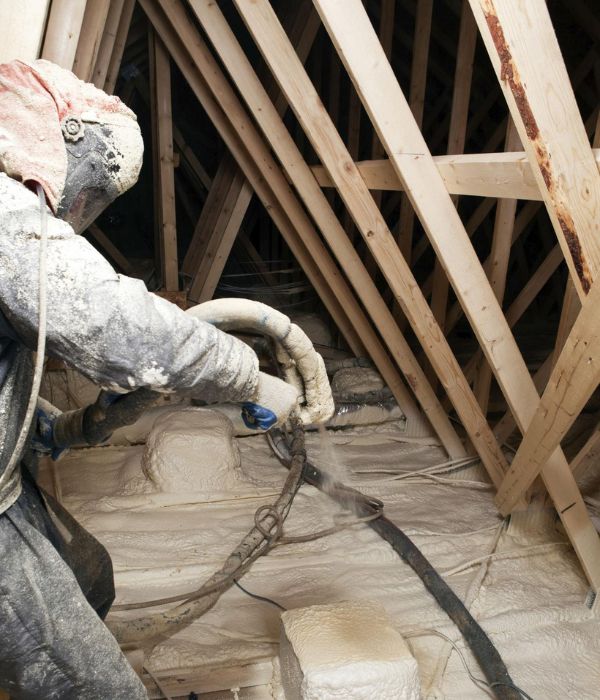



Efficient Air Sealing Insulation Installation Danbury CT
Stopping Air Movement Where It Starts
For cleaner air, lower energy bills, and better overall comfort, air sealing and insulation need to work together. Most homes don’t lose energy because they lack insulation, they lose it because air is constantly moving in and out through small gaps around framing, joints, and penetrations. According to the U.S. Department of Energy, air leaks can account for up to 20–30% of a home’s heating and cooling energy use.
That’s where air sealing insulation installation Danbury CT makes a real difference. Instead of just adding more insulation, air sealing focuses on stopping that uncontrolled airflow at the source. When air leaks are properly sealed, your insulation can actually perform the way it’s supposed to, improving indoor air quality, stabilizing temperatures, and making your home more efficient year-round.
203-587-7240
What Our Customers Say
Where Air Leaks Actually Happen
Working with a home sealing service Danbury CT team starts with understanding how air moves through your home. It’s not just around windows and doors.
Common problem areas include attic penetrations, top plates, basement rim joists, foundation gaps, siding transitions, rooflines, and small openings around wiring, plumbing, and vents. These gaps may seem minor, but together they create a constant path for air to move in and out.
Warm air naturally rises and escapes through the top of your home while pulling in cooler air from lower levels. This is known as the stack effect, and it’s one of the main reasons homes feel drafty and inconsistent.
These same openings are also how pests and critters find their way inside, so sealing them improves both comfort and protection.
How Air Sealing Is Done
Air sealing insulation Danbury CT is a targeted process that focuses on finding and closing the gaps where air is actually moving through the home. It starts with identifying those problem areas, often using tools like blower door testing or visual inspection to see where leaks are coming from.
From there, we seal penetrations and transition points throughout the home, including around pipes, wiring, ductwork, framing joints, and areas where different building materials meet. Depending on the location, this may involve caulking, spray foam, weather sealing, or more specialized materials designed for that specific application.
Rather than just patching a few visible spots, the goal is to create a continuous air barrier across the home. By addressing how air moves as a system, not just individual gaps, we’re able to make improvements that have a noticeable impact on comfort, efficiency, and air quality.
Why Work With Us
Air sealing only works if it’s done thoroughly. Missing even a few key areas can limit the impact, which is why attention to detail matters.
With over 17 years of experience, we know where to look, how to seal different types of gaps properly, and how to make sure the work holds up over time. We also focus on value engineering; improving performance without adding unnecessary cost or work.
Because we handle both insulation and air sealing, you’re not being pushed toward one solution. You get a balanced approach based on how your home actually performs. You also work directly with the owner, so every recommendation is made with long-term results in mind.
Air Sealing and Insulation
as a System
Air seal insulation systems work best when air sealing and insulation are working together. Insulation slows heat transfer, but if air is moving through it, its effectiveness drops significantly.
Air seal spray foam is one of the most effective tools for closing gaps and sealing irregular spaces. It expands to fill cracks and bonds to surfaces, making it ideal for areas where traditional materials fall short.
By combining air sealing and insulation, you create a system that controls both airflow and temperature. This helps eliminate drafts, reduce cold spots, and improve overall comfort throughout the home.

Air Barriers, Vapor Control, and Why It Matters
Air and moisture don’t move randomly, they follow specific paths through your home. Warm air carries moisture with it, and when that air leaks into areas like attics, walls, or basements, it can lead to condensation and long-term damage.
Air barriers are used to stop that movement by sealing the gaps where air is getting through. In areas where moisture control is important, we also consider vapor control, which helps manage how moisture moves through materials instead of getting trapped inside them.
The right approach depends on the space. For example, attic air sealing helps prevent warm, moist air from rising into colder areas, while basement sealing helps keep outside moisture from entering the home. Getting this right is what prevents issues like mold, musty odors, and insulation failure over time.
What Else Air Sealing Can Do?
Less ice – Attic sealing can reduce ice dams on your roof in the winter. These dams mean lots of warm air is escaping through your attic. They can destroy your roof, cause mold growth and rot building materials.
Less noise – Many sounds travel by airwaves. Proper sealing will help reduce noise levels from outside.
Cleaner indoor air –Think of all the pollutants that come into your home. When you perform air sealing, things like car exhaust, pollen and dust will be less likely to come inside and irritate your allergies.
We have been doing this work for many years and can recommend the best ways to make your house more energy efficient.
What You Can Expect
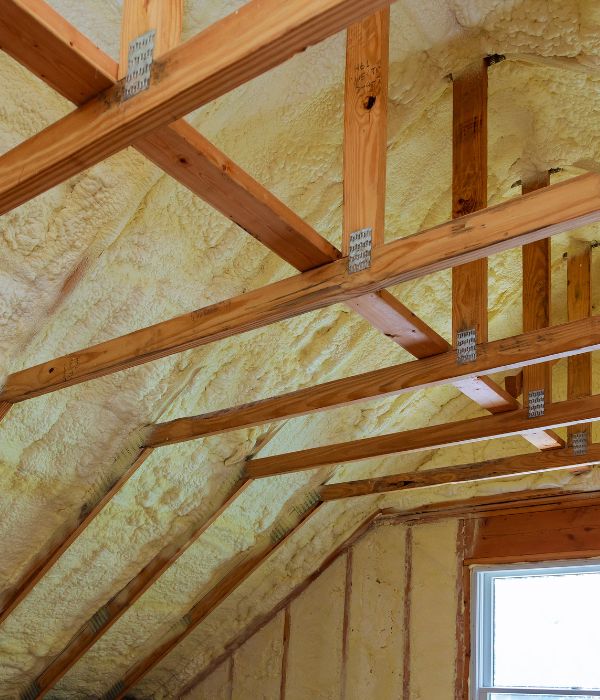
From there, we seal those areas using the right materials for each location and explain what we’re doing along the way so you understand how it improves your home.
You work directly with the owner, not a commission-based salesperson. That means you’re getting honest recommendations focused on what will actually improve your home, not a one-size-fits-all approach or unnecessary upsells.
We’re an approved contractor for state home energy and rebate programs — meaning you could qualify for significant savings on your project.
- CT certified
- NY certified
- State rebate programs
- Federal tax credits
Frequently Asked Questions
Have you got questions about our services? We’ve got answers. Learn more about our services here or reach out for any additional questions you may have!
The stack effect is the natural movement of air through a home where warm air rises and escapes through the upper levels, like the attic. As that air leaves, it pulls colder air in from lower areas like the basement or crawl space. This constant air movement is one of the main reasons homes lose energy and feel drafty.-
Yes. Many pests enter through the same small gaps and openings that allow air to leak in and out. Sealing those entry points can help prevent insects and small animals from getting into your home.
Not always. Spray foam is one of the most effective materials for sealing larger gaps and irregular openings, but smaller cracks and joints are often sealed with caulking or other specialized sealants. The material used depends on the size and location of the leak.
Yes. Reducing air leakage helps your heating and cooling system operate more efficiently, which can lower energy usage and reduce utility costs over time.
When installed properly, air sealing is a long-term solution. The materials used are designed to remain in place and continue performing for many years without needing frequent maintenance.
The most important areas typically include attics and roofs, basements, crawl spaces, and any penetrations where wiring, plumbing, or ductwork pass through walls and floors. These are often the biggest sources of hidden air leaks.
Yes. Air sealing and insulation work together. Air sealing stops uncontrolled airflow, while insulation slows heat transfer. In many homes, combining air sealing with proper insulation provides the best overall results.
Yes. By reducing the amount of outside air entering through unsealed gaps, air sealing helps limit dust, allergens, humidity, and pollutants from getting inside. This can lead to cleaner, more controlled indoor air.
Yes. Air leaks often carry moisture into areas like attics and walls. By sealing those leaks and controlling airflow, air sealing helps reduce the conditions that can lead to condensation, mold, and long-term damage.
Yes. Air leaks can allow cold air into areas where plumbing is located, especially in basements or exterior walls. Sealing those gaps helps maintain more stable temperatures and reduces the risk of pipes freezing.
Yes. Air sealing is often one of the first and most important steps in improving overall home performance. It’s commonly combined with insulation upgrades to create a more efficient system.
Signs include drafts, uneven temperatures between rooms, high energy bills, or difficulty maintaining consistent comfort. These issues are often caused by hidden air leaks throughout the home.