
- Rockwool & Mineral Wool Insulation
- Spray Foam
- Fiberglass Insulation
- Cellulose Insulation
- Energy Efficient Insulation
- Air Sealing Insulation
- Attic Insulation
- Concrete Leveling
- Commercial Insulation
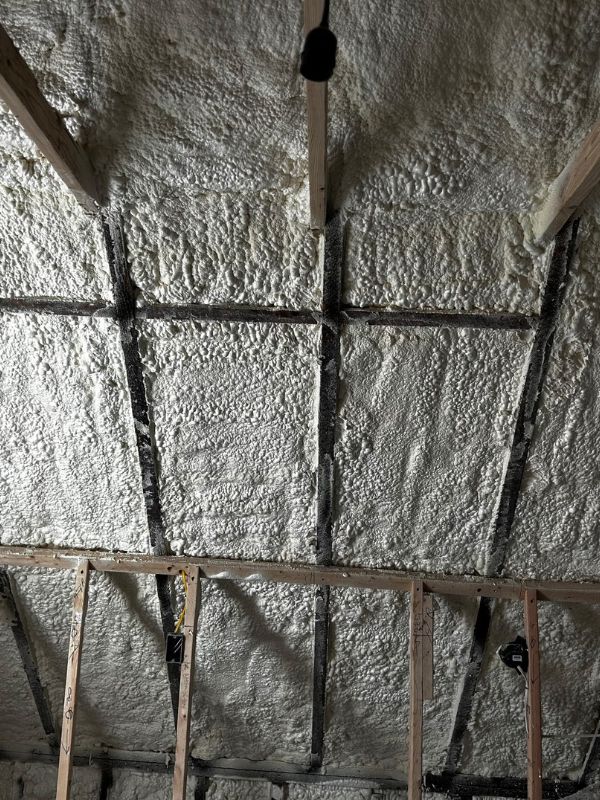



Efficient Insulation Installers Putnam County
rockwool insulation contractor Danbury CT
If your home or commercial building in Putnam County isn’t maintaining consistent comfort throughout the year, insulation is often a key factor. From older homes in Carmel and Cold Spring to newer properties in Mahopac and Brewster, many buildings experience energy loss due to air leakage, aging insulation, or uneven coverage. We provide insulation services for both residential and commercial properties throughout the area.
These issues don’t always present themselves the same way. Some rooms feel noticeably drafty, others struggle to maintain consistent temperatures, and in many cases, energy costs are higher than expected. Often, the real problem isn’t just the insulation itself, but how air and moisture are moving through the building.
As insulation installers in Putnam County, we take a system-based approach to improving performance. That means evaluating the property, identifying where energy is being lost, and applying the right solution, whether that involves spray foam, fiberglass, cellulose, air sealing, or natural insulation options. In some cases, it may also include removing old insulation or correcting areas that were never properly insulated.
The goal isn’t simply to add insulation, it’s to create a more efficient, controlled environment that performs reliably over time. If you’re ready to get a quote from our insulation installer Putnam County team, give us a call today to schedule your free energy audit.
203-587-7240
Our Services:
Rockwool & Mineral Wool
Spray Foam Insulation
Spray Foam Roofing
Fiberglass Insulation
Cellulose Insulation
Energy Efficient Insulation
Air Sealing Insulation
Attic Insulation
Understanding Insulation Issues in Putnam County
In Putnam County, insulation problems usually build over time rather than appearing all at once. Older homes often have materials that have settled, shifted, or broken down, while newer buildings can still have gaps, missed areas, or inconsistent installation.
The result is the same either way. The building doesn’t hold temperature the way it should, rooms feel inconsistent, and heating and cooling systems have to work harder than necessary. In many cases, the issue isn’t just the insulation itself, it’s how air and moisture are moving through the structure.
A System-Based Approach That Starts With Testing
In Putnam County, insulation problems usually build over time rather than appearing all at once. Older homes often have materials that have settled, shifted, or broken down, while newer buildings can still have gaps, missed areas, or inconsistent installation.
The result is the same either way. The building doesn’t hold temperature the way it should, rooms feel inconsistent, and heating and cooling systems have to work harder than necessary. In many cases, the issue isn’t just the insulation itself, it’s how air and moisture are moving through the structure.
Why Homeowners Choose Us
Improving insulation isn’t just about adding more material, it’s about understanding how the building is actually performing. When it comes to home insulation Putnam, air movement, moisture, and temperature all work together, and if you don’t identify the root of the problem first, it’s easy to miss the real issue.
That’s why we start with proper diagnostics to help with energy efficiency. We offer free energy audits and use tools like blower door testing and thermal imaging to identify where air is leaking, where insulation is missing, and how heat is moving through the building. These tests make it possible to see what’s happening behind walls, in attics, and around structural connections that aren’t visible during a basic inspection.
Instead of guessing, this allows us to focus on the areas that will actually make a difference and recommend solutions that solve the problem at its source. Our team has over 17 years of experience and our dedication to the local community shows in our work. We are a service disabled veteran owned business and a family owned business that takes a straight forward approach to ensure you get the best service possible.
Why Some Insulation Projects Don’t Work (and How to Avoid It)
A lot of insulation upgrades fall short because they focus on adding material without addressing the underlying problem. If air is still moving freely through gaps and connections, even new insulation won’t perform the way it should.
This is especially common in homes where insulation has been added over time without a clear plan, leaving certain areas over-insulated while others are still leaking air. The result is inconsistent performance and improvements that don’t fully solve the issue.
The biggest improvements usually come from focusing on the right areas and making sure insulation and air sealing work together. That might mean improving attic insulation, sealing hidden air leaks, or correcting areas that were missed or improperly installed in the past.
When those pieces are handled correctly, the difference is noticeable. Temperatures become more consistent, drafts are reduced, and the building becomes easier to heat and cool without overworking the system.
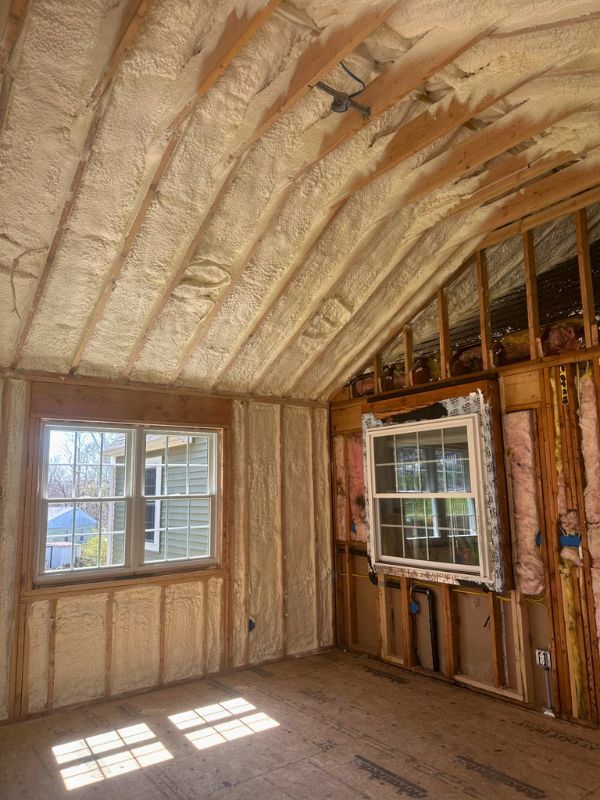
Insulation for New Construction vs Existing Homes
Insulating a new construction project and improving insulation in an existing home are two very different processes. In new builds, insulation is installed while the structure is still open, which allows full access to walls, ceilings, and key connection points. This makes it easier to create a continuous barrier and properly seal areas before finishes go in. In many of these applications, spray foam insulation Putnam County is used to help control both airflow and temperature from the start.
In existing homes, the focus shifts to improving performance without tearing everything apart. That often means working within the current structure to identify where insulation is missing, underperforming, or uneven, and then targeting those areas directly. Techniques like blown-in insulation, air sealing, and selective upgrades allow improvements to be made with minimal disruption.
Because of these differences, the approach needs to be adjusted based on the type of project. What works in a new build isn’t always practical in an existing home, and vice versa. The goal in both cases is the same, creating a more efficient, consistent, and controlled indoor environment, but how you get there depends on the building.
Insulating Key Areas of the Home
Working with attic insulation companies Putnam County often starts with identifying the areas that have the biggest impact on overall performance. Different parts of a building play different roles, which is why insulation needs to be applied strategically based on how the structure is built and where improvements are needed.
Attics and roof areas are typically a primary focus because of how heat moves through a building, while basements and lower levels can influence moisture control and overall comfort. Wall systems also play an important role in maintaining consistent temperatures, especially when insulation is missing or uneven.
By addressing these areas together instead of in isolation, we’re able to create a more balanced and efficient environment throughout the entire building, including spaces like garage insulation Putnam County, where temperature transfer can impact adjacent living areas.
Areas We Serve
We serve the following areas for both residential and commercial services:
Putnam County
Westchester County
Litchfield County
Fairfield County (including
Ridgefield
and
Greenwich
)
What Our Customers Say
We’re an approved contractor for state home energy and rebate programs — meaning you could qualify for significant savings on your project.
- CT certified
- NY certified
- State rebate programs
- Federal tax credits
Frequently Asked Questions
Have you got questions about our services? We’ve got answers. Learn more about our services here or reach out for any additional questions you may have!
The best natural insulation depends on your home and what you’re trying to solve. In Connecticut, mineral wool (rockwool) is often used for moisture resistance and fire protection, while sheep’s wool and hemp wool are great for regulating humidity and improving indoor air quality. The right choice depends on your attic, walls, and how your home is ventilated.
Yes, especially in areas where moisture, sound control, or fire resistance are concerns. Mineral wool insulation performs well in Connecticut’s changing seasons because it doesn’t absorb water easily and maintains its structure over time. It’s commonly used in basements, walls, and between floors.
Rockwool (mineral wool) is made from stone and is known for durability, fire resistance, and soundproofing. Other natural insulation types like sheep’s wool and hemp wool are softer materials that focus more on moisture regulation and indoor air quality. Each has its place depending on the application.
Yes. Rockwool sound insulation is one of the best options for reducing noise transfer between rooms, floors, and ceilings. Its density helps absorb sound waves, making it a popular choice for interior walls, home offices, and multi-family properties.
It can help manage moisture when installed correctly. Materials like mineral wool and sheep’s wool are breathable and allow moisture to pass through rather than trapping it, which can reduce the risk of mold growth. Proper installation and ventilation are still important.
Yes. Most natural insulation products, including mineral wool, hemp wool, and sheep’s wool, are low in VOCs and do not off-gas like some synthetic materials. This makes them a good option for homeowners concerned about indoor air quality.
Natural insulation can be used in attics, exterior walls, basements, and interior walls. It’s especially useful in areas where you want better sound control, moisture management, or improved air quality. The best placement depends on how your home is built and where the issues are.
They serve different purposes. Spray foam insulation is best for air sealing and creating an airtight barrier, while mineral wool is better for sound control, fire resistance, and moisture performance. In many homes, a combination of both materials provides the best results.
Natural insulation materials like mineral wool are very durable and can last for decades without losing performance when installed properly. They don’t settle or degrade as quickly as some other insulation types.
Yes. In many cases, insulation can be added to attics or wall cavities without major construction. The approach depends on accessibility and the type of insulation being installed, but upgrades can often be done with minimal disruption.